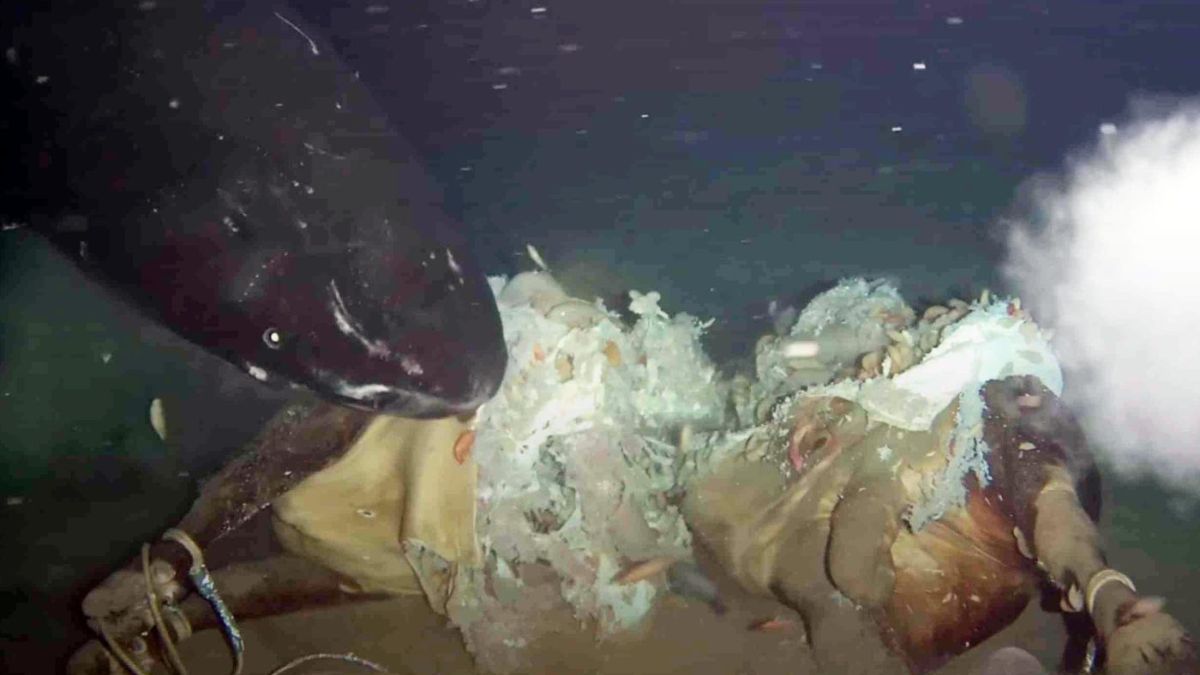
It sounds like something out of a strange dream, but it really happened: scientists dropped a cow into the deep waters of the South China Sea. Not for fun, and definitely not by mistake—this bizarre move was part of a serious research experiment.
The goal? To mimic what happens when a dead whale sinks to the ocean floor and study how deep-sea creatures respond. What they found revealed a hidden world full of life, weird behaviors, and animals we never expected to see there.
Table of Contents
Experiment
The idea behind the experiment was simple, yet brilliant. Whales occasionally die and sink to the ocean floor. When they do, they become massive food sources for deep-sea life. But studying that naturally is tricky—scientists can’t exactly plan for a whale to drop out of the sky.
So, they used the next best thing: a cow carcass. Similar in size and structure to whale remains (in terms of providing meat and fat), it allowed researchers to observe how marine creatures react when a large chunk of food suddenly appears in their deep, dark world.
Sharks
The biggest surprise? The sharks. Scientists discovered eight Pacific sleeper sharks, which are normally seen in freezing cold regions like Alaska and Japan. They had never been observed in this tropical part of the South China Sea before.
This made researchers wonder—are these sharks moving to new areas because of climate change? Or have they always lived here unnoticed? After some thinking, they leaned toward the second idea. Maybe this part of the ocean was just too unexplored until now.
Behavior
One of the most unexpected things? These sharks waited their turn to eat. That’s right—no chaotic feeding frenzy, no aggressive fighting. Instead, they seemed to understand a kind of unspoken rule: one at a time.
The larger sharks—almost 3 meters long—approached the cow confidently. The smaller ones were much more cautious, circling the carcass before finally moving in. It was clear that size matters when it comes to confidence, even in sharks.
Eyes
There was another curious thing scientists noticed—the way the sharks used their eyes. Unlike some shark species that have protective eye membranes, Pacific sleeper sharks don’t. So, to avoid getting scratched or injured while feeding, they pulled their eyes inward, almost like blinking without eyelids. It’s a smart little trick to stay safe while chowing down.
Others
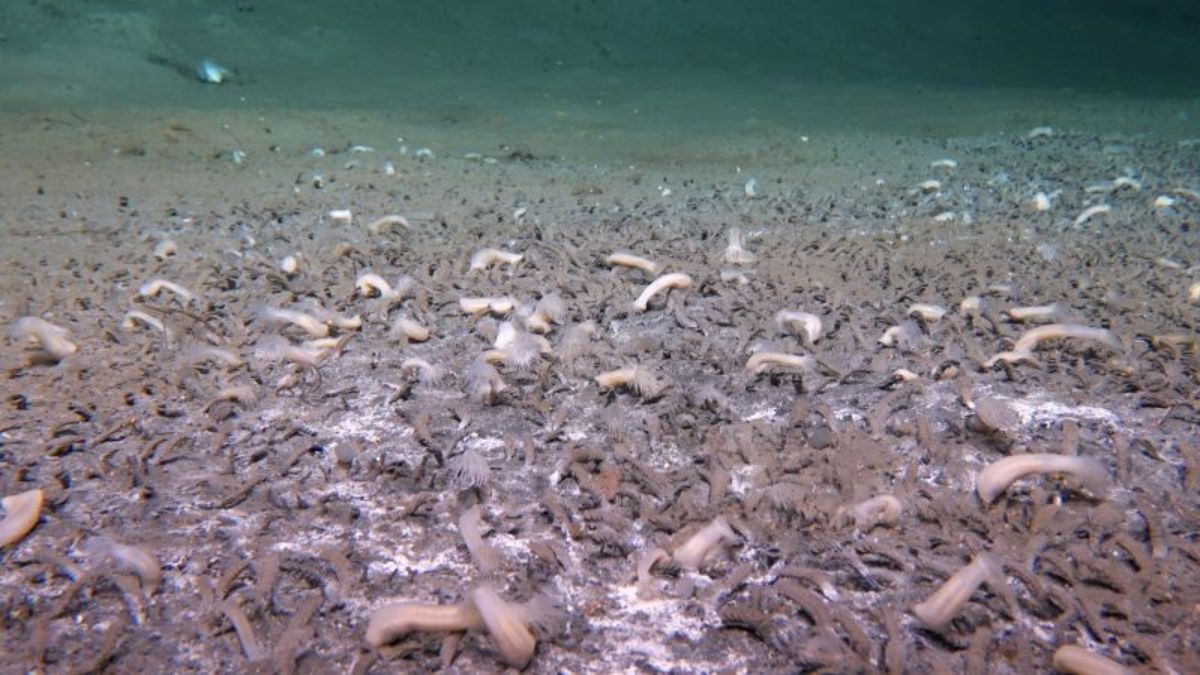
It wasn’t just sharks that showed up. Other deep-sea creatures joined the feast too. Scientists spotted snailfish, amphipods (tiny crustaceans), and other scavengers getting their share of the cow.
This was huge. Many had believed that deep tropical seas were low on life due to their warmth and depth. But this experiment proved the opposite—the ocean floor in the South China Sea is actually buzzing with life.
Importance
Why does this strange cow experiment matter so much?
Because it gave scientists a rare peek into the hidden ecosystems of the deep sea. These are places we barely understand, yet they could hold answers to some of the biggest environmental questions of our time.
Here’s what we learned:
| Observation | What It Showed |
|---|---|
| Sharks taking turns to eat | Signs of social or non-aggressive behavior |
| Eye-retraction behavior | A unique adaptation to protect their eyes |
| Presence of diverse sea life | Richer ecosystem than previously believed |
| Pacific sleeper sharks in tropics | Possibly native, not just visitors |
In a world where climate change and ocean damage are growing concerns, understanding these deep ecosystems is more important than ever. If we don’t know what lives there, how can we protect it?
Perspective
So next time you look out at the ocean, think about this wild experiment and all the creatures that quietly exist in its darkest corners. There’s a whole world under the waves we’re only beginning to know—and sometimes, the strangest ideas (like dropping a cow into the sea) bring the biggest discoveries.
FAQs
Why did scientists drop a cow into the sea?
To simulate a whale fall and study deep-sea life.
What type of sharks appeared?
Pacific sleeper sharks, rarely seen in that region.
Did the sharks fight over food?
No, they took turns feeding in a calm manner.
What other animals joined the feast?
Snailfish and amphipods also fed on the cow.
Why is the experiment important?
It revealed new info about deep-sea ecosystems.