
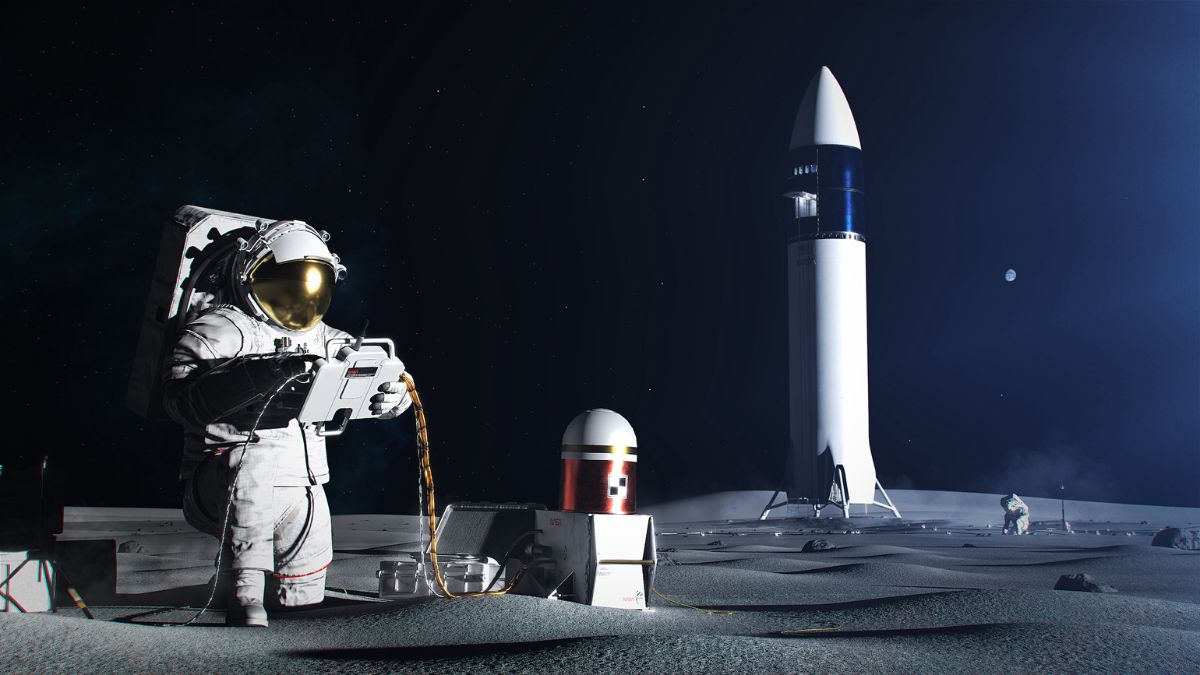
The race back to the Moon is heating up—and it’s not just rockets being launched, but ultimatums too. NASA’s confidence in SpaceX is starting to show cracks as the agency grows restless with delays in the Starship program, a key component of the Artemis III mission.
While Elon Musk’s company was once the golden child of space exploration, new contenders like Jeff Bezos’ Blue Origin are quickly gaining ground. Could we be watching a major shift in the future of lunar travel?
Table of Contents
Delays

SpaceX’s Starship rocket is undeniably powerful, even historic. But being the most powerful rocket ever built also means it’s the most complicated. And with complexity comes setbacks. Lots of them.
NASA picked Starship as the lander for Artemis III—the mission meant to put astronauts back on the Moon for the first time in over 50 years. The original plan was to launch by 2027, but with constant delays, that timeline is starting to look more like a wish than a plan.
NASA’s acting director Sean Duffy summed it up bluntly: “We are in a race, and we can’t afford delays.” That race, of course, isn’t just against time—it’s against China, which is accelerating its own plans for a lunar mission by the end of the decade.
Scrutiny

SpaceX hasn’t exactly been operating under the radar. NASA’s been watching closely—and they’re not thrilled. Despite a $2.9 billion contract, Starship is still far from ready.
Failed test flights, complex engineering tweaks, and missed milestones have turned what should be a reliable path to the Moon into a question mark. And that’s a problem when billions of dollars and global prestige are on the line.
Let’s not forget: Artemis III isn’t just any mission. It’s meant to land the first woman and the first Black astronaut on the Moon. This is history in the making—and NASA wants to make sure it actually happens.
Alternatives

Enter Jeff Bezos. While Musk’s Starship hogs the spotlight (and sometimes the headlines for the wrong reasons), Blue Origin has been quietly working on its own lunar lander: the Blue Moon.
Developed in partnership with Lockheed Martin, Blue Moon has shown more consistent progress. No loud failures. No broken timelines. Just quiet engineering. And now, NASA’s taking notice.
In fact, the agency has requested updated development proposals from both SpaceX and Blue Origin—and isn’t ruling out inviting more U.S. companies into the fold. If SpaceX can’t deliver, someone else will.
Prestige
Make no mistake, this isn’t just about technology—it’s about power. Whoever lands on the Moon next wins more than bragging rights. They win influence, leadership in space, and a piece of the future.
If SpaceX fumbles this mission, it won’t just be a hit to its wallet—it could damage the U.S.’s global standing in space exploration. Imagine China planting their flag on the Moon before America makes it back. That’s the kind of historic misstep NASA is desperate to avoid.
And don’t underestimate how personal this is. Musk and Bezos aren’t just competing CEOs—they’re titans of industry, both racing for a legacy in space.
Artemis
Artemis III has all the elements of a landmark mission. It will mark NASA’s return to the lunar surface, carrying astronauts in a mission that celebrates diversity and progress.
But none of that happens without a working lander. And right now, that lander is behind schedule. NASA can’t launch astronauts toward the Moon unless the system is tested, certified, and safe. That clock is ticking fast—and 2027 is looking increasingly ambitious.
Here’s a quick overview of the two current lunar lander options:
| Lunar Lander | Developer | Status | Key Partner |
|---|---|---|---|
| Starship HLS | SpaceX | Delayed, under review | NASA |
| Blue Moon | Blue Origin | On track | Lockheed Martin |
Politics
There’s more than engineering behind this pressure. Politics is playing a major role. If the U.S. stumbles while China soars, it could reshape global leadership in space exploration. And space, once again, is becoming a symbol of technological dominance.
This isn’t just about planting flags anymore. The country that leads lunar exploration could very well lead future missions to Mars—and beyond. The stakes are cosmic, quite literally.
Ultimatum
NASA has drawn a line. Updates from both companies are due by the end of the month, and while SpaceX still has time to fix things, their window is closing.
Elon Musk, once seen as the rebel genius leading humanity to Mars, now faces real competition. And Bezos, with his patient, sustainable approach, might just be the dark horse poised to win.
Whether SpaceX rebounds or Blue Origin takes the lead, one thing’s certain: the next few months could decide who owns the future of space.
FAQs
Why is NASA frustrated with SpaceX?
Because of continued Starship delays and missed milestones.
Who might replace SpaceX for Artemis III?
Blue Origin, led by Jeff Bezos, is the top alternative.
What is Artemis III’s goal?
To return humans to the Moon, including a woman and a Black astronaut.
When was Artemis III originally scheduled?
It was planned for a 2027 launch.
Is China competing in the Moon race?
Yes, China plans to land humans on the Moon by 2030.