Science doesn’t stop surprising us, and this time, the breakthrough came from a team of chemists at the University of California, Riverside. They’ve done something long thought impossible: they stabilized a wildly reactive molecule called a carbene… in water!
That’s a huge deal, not just because carbenes are notoriously unstable, but also because this discovery confirms a theory from the 1950s about how vitamin B1 works in the human body. A theory proposed by none other than Ronald Breslow, a legendary chemist, back in 1958. Let’s cut into what this means and why everyone in the chemistry world is buzzing.
Table of Contents
Background

For decades, scientists believed carbenes couldn’t exist in water. And that made sense—these molecules are extremely reactive, falling apart almost instantly when exposed to water. Now think about our bodies: we’re mostly water. So how could a carbene possibly exist inside us?
That’s why Breslow’s theory—that vitamin B1 (also called thiamine) might use a carbene during its biological activity—was seen as far-fetched. No one could test it. Until now.
Molecule
So, what exactly is a carbene? It’s a carbon atom with just six valence electrons. Normally, carbon atoms want eight, so having only six makes them extremely unstable—like a loose cannon ready to react with anything nearby. Especially water.

Carbenes are useful, though. They’re involved in all kinds of chemical reactions, especially in making drugs, fuels, and plastics. But to work with them, scientists usually need toxic and expensive solvents to keep them alive.
Water? It’s never even been considered. That’s why this breakthrough is so shocking.
Breakthrough
The Riverside team, led by chemist Vincent Lavallo, figured out how to give the carbene a kind of chemical suit—what they call “molecular armor.”

This armor protects the carbene from water. It’s like giving a fragile snowflake a climate-controlled bubble in a desert. Thanks to this protective shell, the carbene didn’t just survive—it stayed stable in water for months.
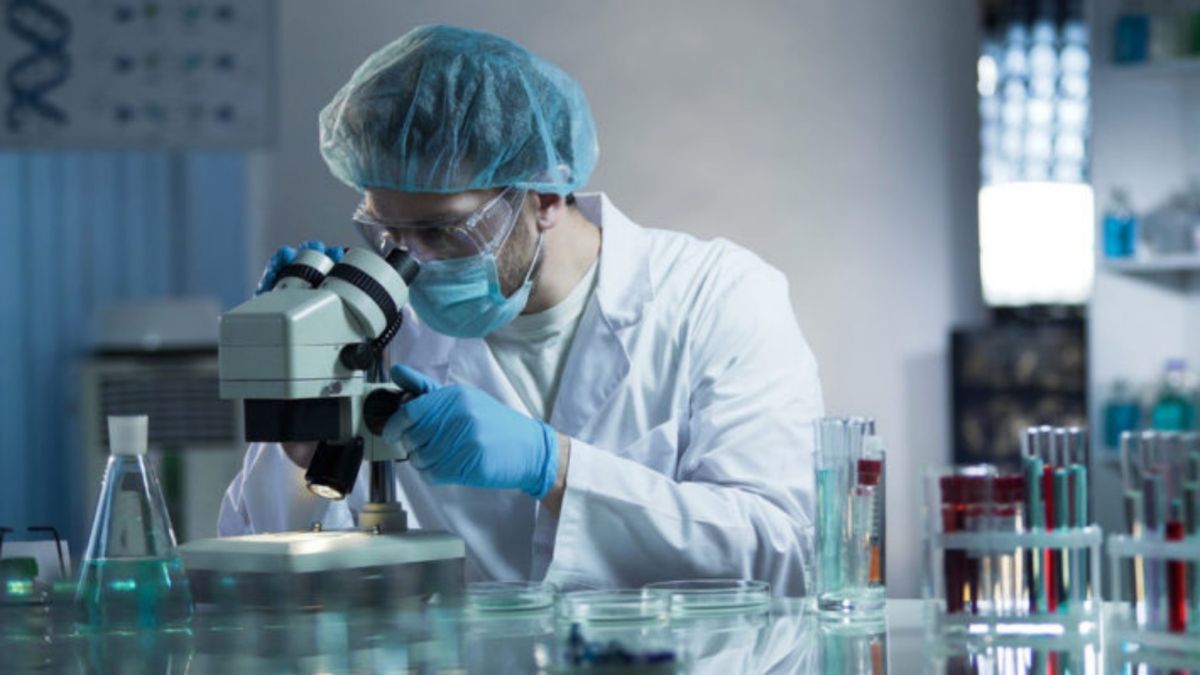
They didn’t stop there. The team examined it with every tool in the lab: X-rays, nuclear magnetic resonance, and more. They studied it from every angle.
Serendipity
The best part? They weren’t even trying to prove the theory about vitamin B1. They were working on completely different research involving metals like copper.
Then suddenly—bam! They saw something that looked a lot like what Breslow described all those years ago. And just like that, a mystery that had sat on the shelf for over 60 years was cracked wide open.
It’s like going to look for one treasure and stumbling across a completely different one that changes history.
Impact
Now let’s talk about why this matters beyond the lab.
Until now, using carbenes meant using harsh chemicals. That meant pollution, health hazards, and high costs. But if we can do these reactions in water instead? Everything changes.
Here’s what this could lead to:
| Benefit | Impact |
|---|---|
| Water-based reactions | No need for toxic solvents |
| Lower cost | Water is cheap and available |
| Eco-friendly processes | Reduced environmental impact |
| Safer manufacturing | Less risk for workers and communities |
From medicine to materials science, this opens the door to sustainable chemistry on a massive scale.
Future
This might just be the beginning. Stabilizing one carbene in water is already a breakthrough, but what if we can do the same for other reactive molecules? Scientists have already started talking about a new era in chemical biology—one where we don’t just guess what molecules are doing inside us, we can actually watch them in action.
As Lavallo said, we’re entering a stage where we may finally “see” the hidden steps in biological reactions that were once invisible.
And isn’t that what science is all about? Looking into the unknown and finally shining a light on it—sometimes decades later, and sometimes, completely by accident.
FAQs
What is a carbene?
A reactive carbon molecule with only six valence electrons.
Why was this discovery important?
It confirmed a 1958 theory about vitamin B1 in the body.
How was the carbene stabilized?
By using a chemical ‘armor’ to protect it in water.
What could this be used for?
Eco-friendly drug and material production in water.
Who led this research?
Vincent Lavallo and his team at UC Riverside.