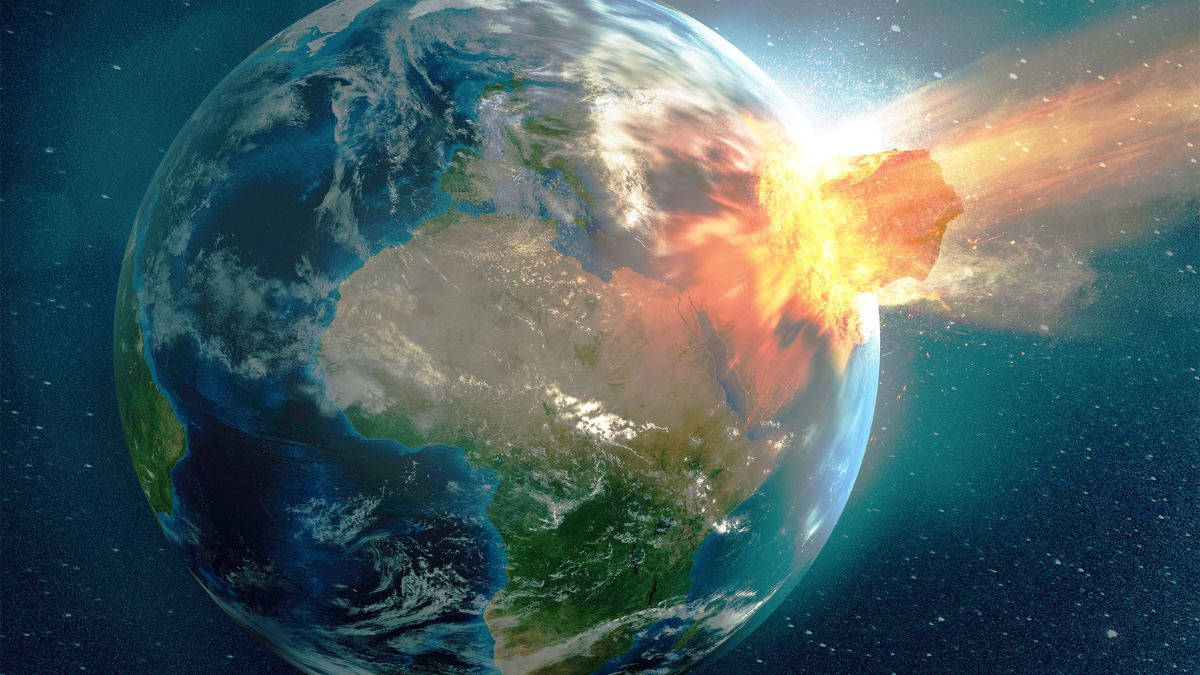
A new scientific breakthrough might just help solve one of Earth’s biggest climate mysteries. Evidence found deep under the ocean suggests that a comet, not just melting glaciers, may have caused a sudden global cooling thousands of years ago. The idea sounds like a sci-fi plot, but the science behind it is quickly gaining ground. Let’s break it down.
Table of Contents
Ice
Roughly 12,800 years ago, Earth was warming up as the last Ice Age came to an end. But then, something strange happened—the temperature dropped dramatically and stayed that way for over 1,000 years. This chilly detour in our planet’s climate history is known as the Younger Dryas.
For decades, the blame fell on melting glaciers from North America disrupting ocean currents. But recent findings suggest something far more cosmic: the Earth may have been struck by fragments of a comet, drastically altering the climate.
Ocean
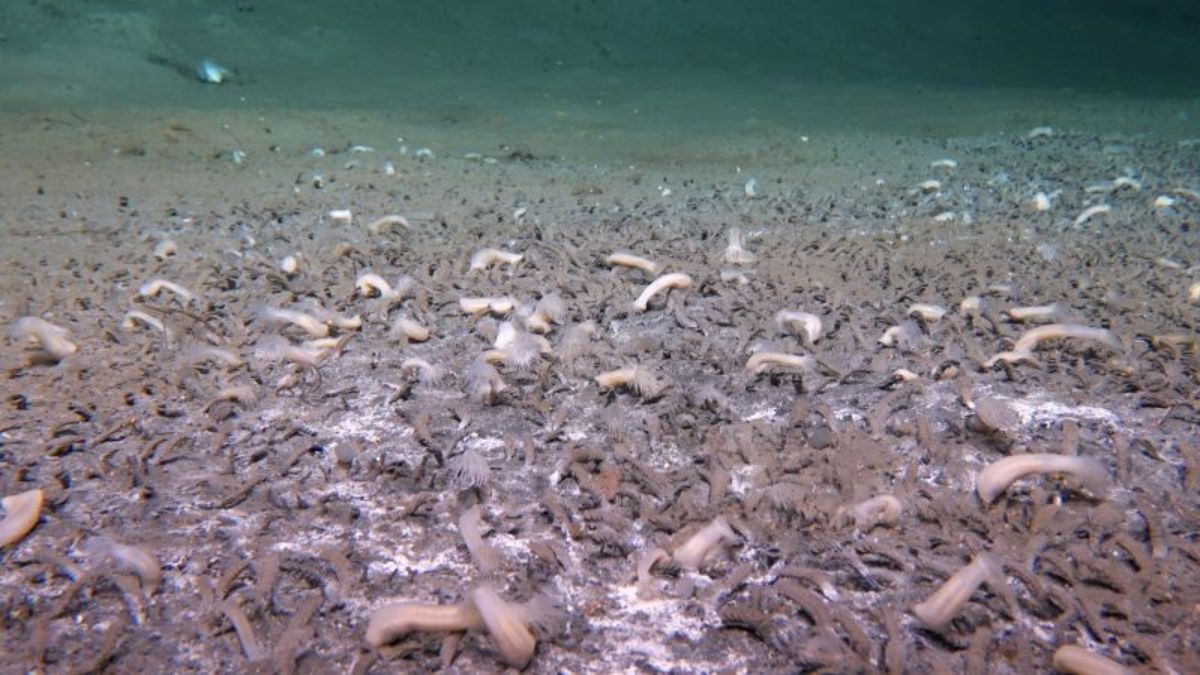
To test this theory, researchers led by Christopher Moore dug deep—literally. They analyzed sediment cores from the bottom of Baffin Bay, a cold stretch of ocean between Canada and Greenland. These layers of mud and minerals act like pages in Earth’s history book.
Inside the layer that matches the start of the Younger Dryas, they discovered:
- Tiny metallic particles
- Glass-like beads that only form in extreme heat
- Unusual elements like platinum and iridium
These elements are typically linked to material from outer space. And the fact that they’ve now been found under the ocean—rather than just on land—adds a new level of credibility to the comet theory.
Theory
So what does the comet hypothesis actually say?
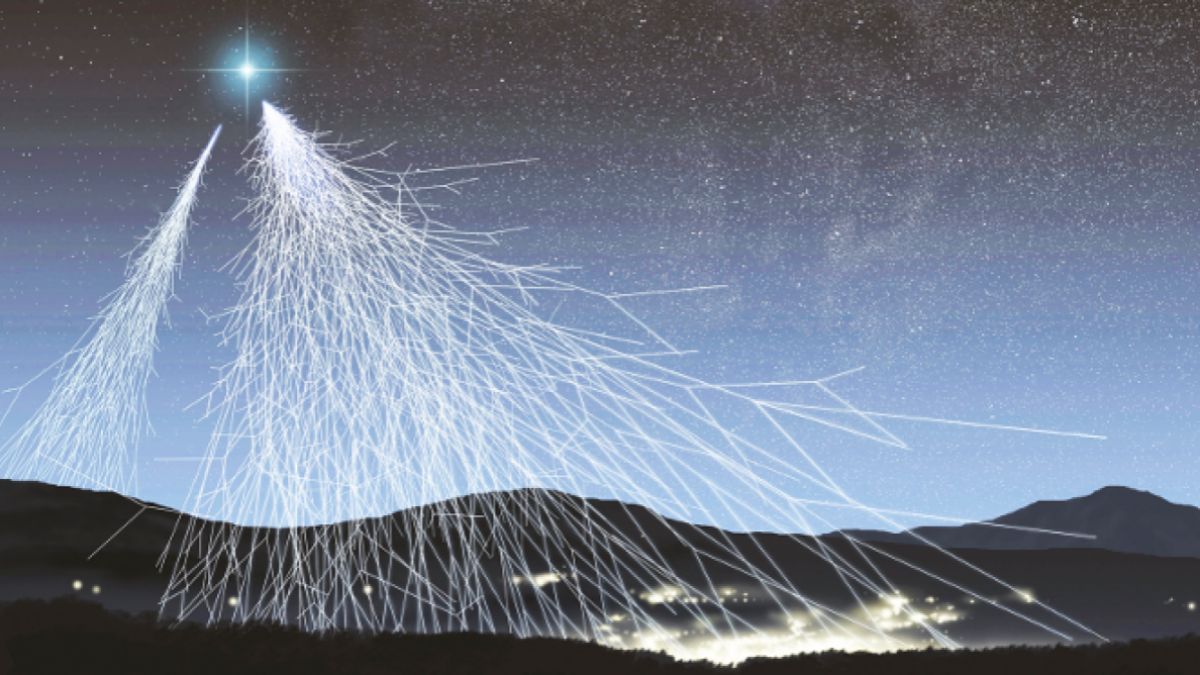
According to the Younger Dryas Impact Hypothesis, Earth passed through the debris of a disintegrating comet. As some of these fragments entered the atmosphere, they exploded, triggering:
- Huge wildfires across the globe
- Gigantic dust and smoke clouds that blocked sunlight
- A rapid cooling of Earth’s climate, often referred to as an “impact winter”
The idea is that these fiery blasts didn’t just burn forests—they shaded the planet, creating a climate shift in just a matter of years.
Effects
The possible comet strike lines up with several major changes on Earth. Here’s what happened around the same time:
| Event | Possible Link to Impact |
|---|---|
| Extinction of large mammals | Climate shift + fires |
| End of the Clovis culture | Environmental collapse |
| Drop in global temperatures | Sunlight blocked |
Gone were the woolly mammoths, saber-toothed cats, and giant ground sloths. Even the Clovis people—some of the earliest known inhabitants of North America—vanished.
While some experts say overhunting by humans played a part, others argue that climate change triggered by a comet impact delivered the final blow.
Evidence
For years, skeptics said the impact theory lacked hard evidence. Critics claimed that the particles found on land could have come from volcanic eruptions or local wildfires.
But this new undersea discovery changes the game. Finding the same rare space-linked particles underwater means they couldn’t just be from local events—they point to a global catastrophe.
Still, one major puzzle remains: there’s no confirmed impact crater. This leaves some researchers hesitant to accept the theory completely. But with every new piece of evidence, the case grows stronger.
Future
Why does any of this matter now? Because space is still filled with comets and asteroids flying around. Most won’t come near us, but even a small one could have serious effects on our planet—especially if it enters the atmosphere like those fragments might have.
That’s why NASA and other space agencies keep a close watch on the skies. Tracking near-Earth objects isn’t just about curiosity—it’s about protection.
So next time you hear about a mission to watch a comet or deflect an asteroid, remember: we’re not just studying space for fun. We’re learning from the past to protect our future.
FAQs
What is the Younger Dryas?
A sudden cooling period that began 12,800 years ago.
Where was the evidence found?
In ocean sediments from Baffin Bay.
What caused the cooling?
Possibly a comet impact, not just glacial melt.
What animals went extinct then?
Mammoths, saber-toothed cats, and more.
Can this happen again?
Yes, though chances are low, impacts still pose a threat.