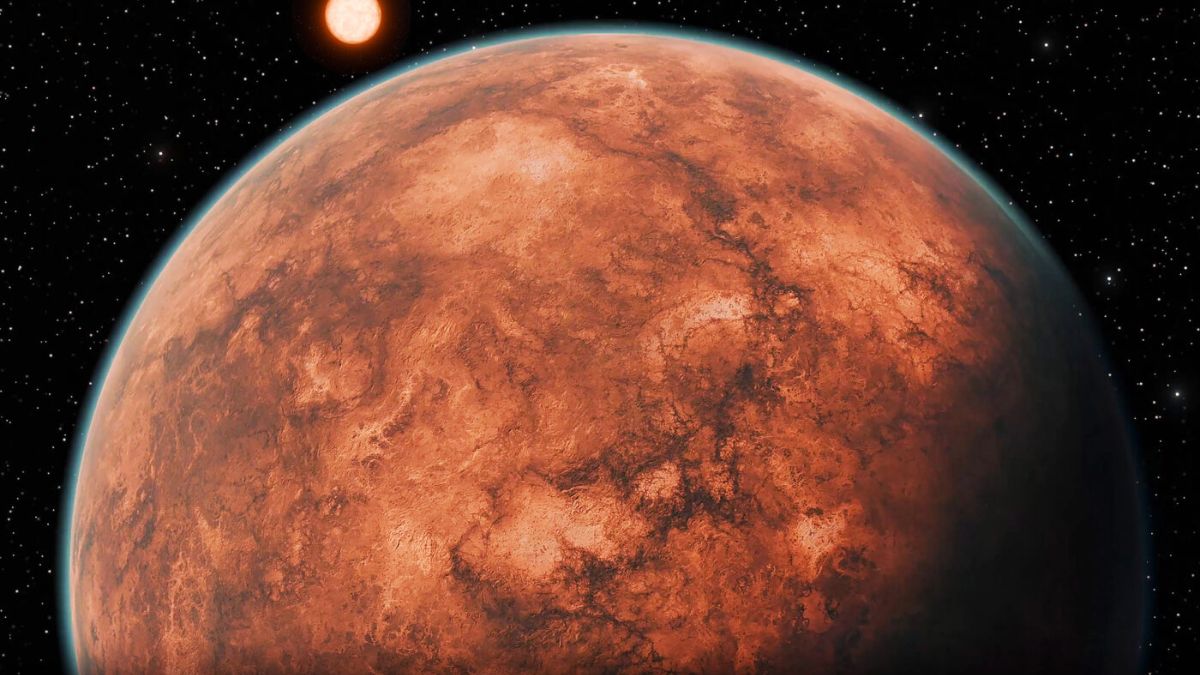
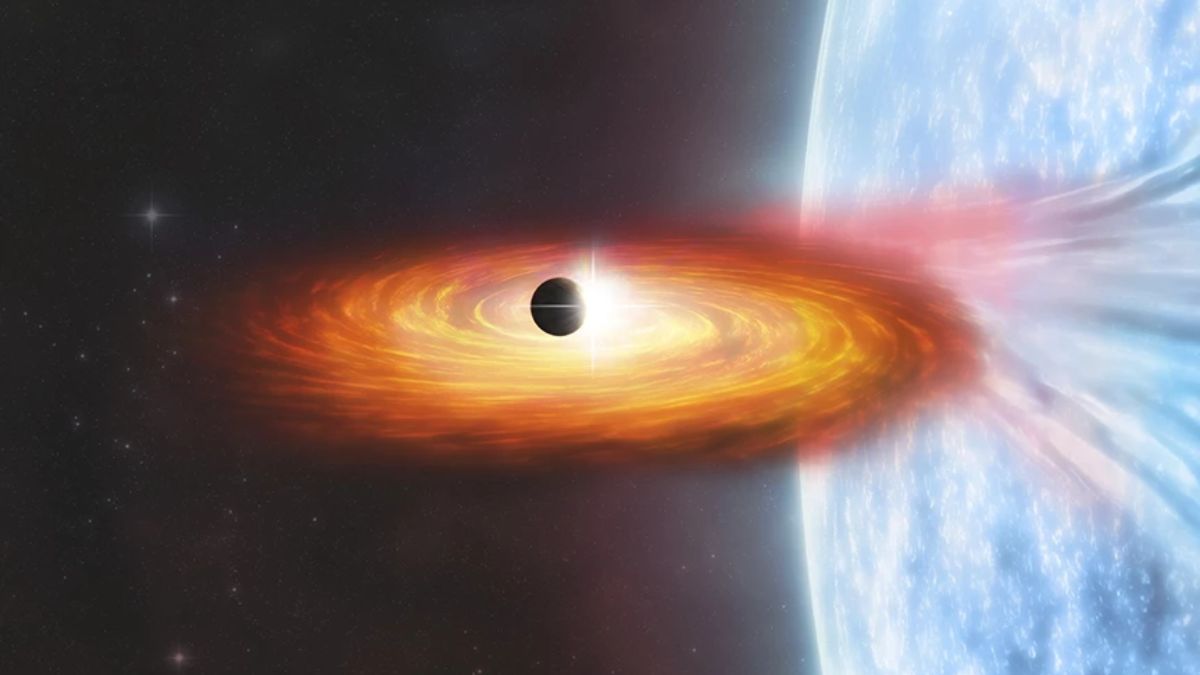
The universe just dropped another mystery on our doorstep — and it’s covered in dust. Scientists have spotted a young exoplanet, YSES-1c, wrapped in thick mineral clouds that shouldn’t even exist at this point in the planet’s life. Sounds odd? That’s because it is.
This finding is turning our ideas about planetary formation and evolution upside down. So let’s look into why YSES-1c is such a big deal and what it could mean for the future of astronomy.
Table of Contents
Exoplanets
Let’s start with the basics — what’s an exoplanet? It’s any planet that orbits a star beyond our own Sun. These worlds come in all shapes and sizes, from small, rocky Earth-like planets to massive gas giants like Jupiter. Why study them? Because they hold the clues to how planets form, evolve, and maybe even support life. Each discovery gives us a new piece of the cosmic puzzle.
Discovery
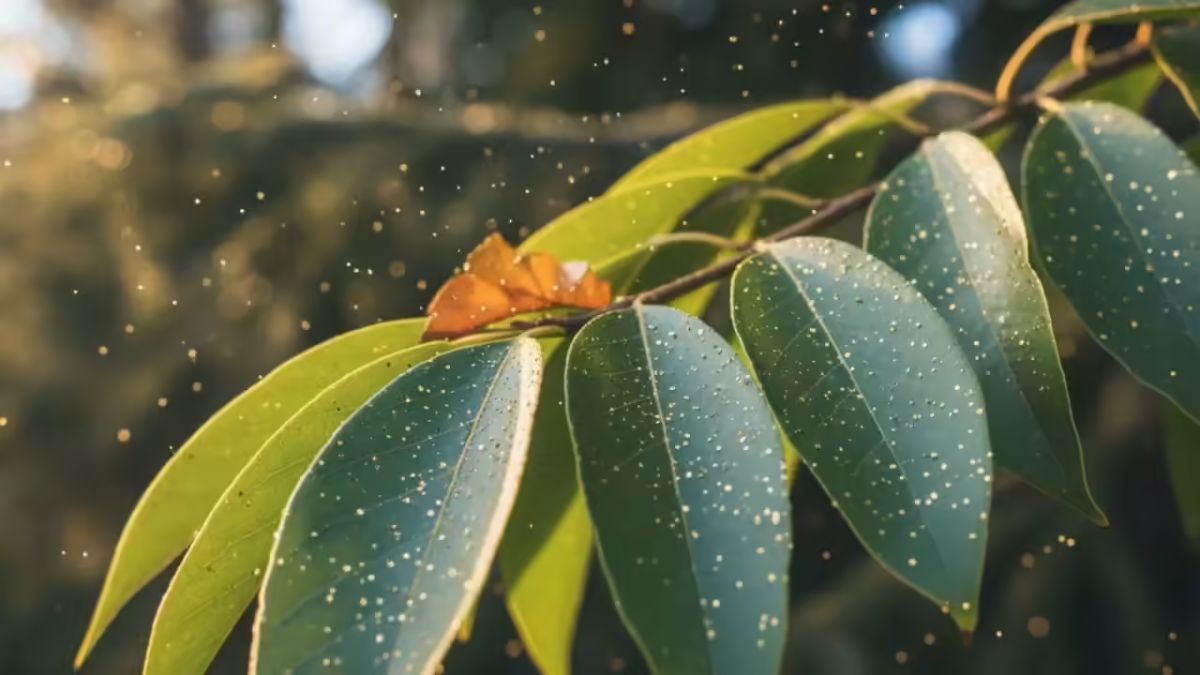
YSES-1c was spotted orbiting a very young star — just 16 million years old. That’s nothing compared to our 4.5-billion-year-old Sun. The planet is part of the YSES (Young Suns Exoplanet Survey), and what shocked astronomers was its dusty atmosphere. It’s filled with mineral particles like magnesium silicate and iron — basically, space dust with a twist.
Surprise
Here’s where things get weird. Science told us this kind of mineral dust shouldn’t stick around long. It should disappear in just a few million years. But somehow, YSES-1c is still wearing its dusty coat proudly, and that defies everything scientists thought they knew about young planets.
This forces a big rethink. How can this planet still have mineral clouds? Could our models of early planetary evolution be missing something?
Evidence
The dust isn’t just there — it’s bold and bright. YSES-1c shows the strongest silicate absorption ever detected on an exoplanet. Think of it like a chemical signature — a mineral fingerprint glowing in the atmosphere.
This tells us two things: 1) there’s a lot of dust, and 2) it’s not going away any time soon. That’s the opposite of what our planetary models predict, which makes this finding incredibly important.
Sibling
YSES-1c isn’t an only child. In 2020, scientists also discovered YSES-1b orbiting the same star. You could call them siblings — same birthplace, totally different behavior.
YSES-1b has dust too, but its features don’t match YSES-1c’s. That shows even planets that form side-by-side can evolve in totally different ways. Kind of like how siblings from the same family can grow up with wildly different personalities.
Impact
Why does all this matter? Because every new discovery like YSES-1c helps astronomers:
- Understand how long dust can survive on planets
- Improve models of how planets form and develop
- Compare distant planets to ones in our own Solar System
NASA, ESA, and other space agencies are keeping a close eye on this system. The more we observe it, the more we might uncover — and who knows what else we’ll find hiding in those dusty clouds.
Wonder
YSES-1c is a reminder that space never stops surprising us. Just when scientists think they’ve got things figured out, the universe flips the script.
So, what other mysteries are out there waiting to be uncovered? How many more planets like YSES-1c are hiding behind the cosmic curtain?
This is why discoveries like these are so exciting — they challenge what we know and inspire new questions. And maybe one day, the answers will help us know not just distant planets, but even our own world a little better.
FAQs
What is an exoplanet?
A planet that orbits a star outside our Solar System.
Why is YSES-1c surprising?
Because it has mineral dust that should’ve vanished.
What minerals are on YSES-1c?
Magnesium silicate and iron particles.
What’s special about YSES-1b?
It’s a sibling planet with different dust traits.
Why does this matter?
It changes how we understand planet formation.