Hydrogen has often been praised as the fuel of the future — clean, powerful, and full of promise. But not all hydrogen is created equal. While green hydrogen offers hope for sustainable energy, black hydrogen tells a very different story.
It’s tied to high emissions, coal dependence, and outdated industrial habits. In fact, it’s quickly earning a reputation as one of the most expensive mistakes in the energy transition.

Let’s break down what black hydrogen is, why it’s still used, and why it may be doing more harm than good.
Table of Contents
Production
Black hydrogen is made through bituminous coal gasification, a process where coal reacts with steam and oxygen at extremely high temperatures. This creates a synthesis gas (or syngas), which is then processed to extract hydrogen.
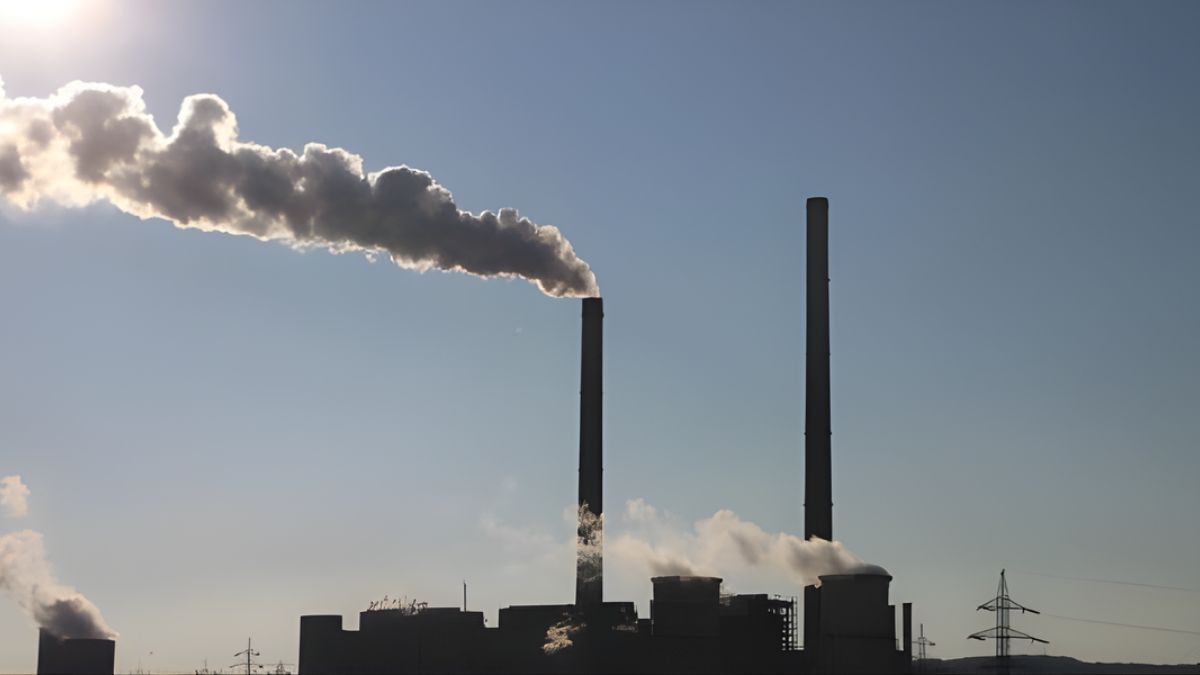
Sounds clever, right? But here’s the catch: this method produces a massive amount of carbon emissions. According to the International Energy Agency (IEA), producing just 1 kilogram of black hydrogen releases between 22 and 26 kilograms of CO₂ equivalent into the atmosphere.

To make things worse, most production facilities don’t have effective carbon capture systems. That turns black hydrogen into one of the dirtiest fuels on the planet, despite being labeled as “hydrogen.”
Persistence
So if black hydrogen is this bad, why are some countries still using it?
It’s less about logic and more about infrastructure, regulations, and habits:
| Reason | Explanation |
|---|---|
| Existing infrastructure | Many coal-heavy regions already have plants, rail lines, and industries built around coal. |
| Weak regulations | In places without strong carbon pricing or penalties, dirty hydrogen appears cheaper. |
| Industrial inertia | Industries like ammonia and methanol have used fossil-based hydrogen for decades. |

So, black hydrogen isn’t just an environmental issue — it’s also a systemic economic problem rooted in outdated structures.
Consequences
What’s even more troubling is the hidden impact of black hydrogen — costs that don’t show up on company spreadsheets but are felt deeply by people and the planet.
Major impacts of black hydrogen:
- Massive carbon footprint: More than 20 kg of CO₂ for every 1 kg of hydrogen.
- Mine contamination: Coal mining releases methane, toxic metals, and pollutes water sources.
- Ecosystem damage: Nearby environments suffer from degraded air, destroyed habitats, and long-term soil issues.
- Public health risks: Dust, chemicals, and poor air quality affect nearby communities.
- False affordability: While black hydrogen may look cheap, the real cost is paid through climate damage, healthcare costs, and environmental cleanup.
Solutions
Kicking black hydrogen out of the energy picture isn’t easy — but it’s necessary. It requires policy, technology, and global cooperation to make the shift to cleaner alternatives.
Here’s what needs to happen:
| Solution | Description |
|---|---|
| Stricter emissions regulations | Make companies legally responsible for the CO₂ they emit. |
| Clear labeling of hydrogen sources | So consumers and industries know what type of hydrogen they are using. |
| Carbon pricing | Put a fair price on pollution to reflect its true cost. |
| Investment in green hydrogen | Support clean hydrogen through better technology and renewable energy. |
| Support for coal regions | Help communities and workers shift toward cleaner industries. |
| Global cooperation | Share innovations and funding to make clean hydrogen viable worldwide. |
Reality
The truth is, black hydrogen is a false promise. It might sound like a solution on paper, but in practice, it’s a major polluter. It keeps us tied to coal, slows down real progress, and adds to the climate crisis.
As the world moves toward decarbonization, black hydrogen stands out as a glaring contradiction — a dirty fuel hidden behind the clean image of hydrogen. The choice ahead is clear: keep making the same mistakes, or finally invest in a truly clean energy future.
FAQs
What is black hydrogen?
It’s hydrogen produced from coal gasification, with high CO₂ emissions.
Is black hydrogen clean energy?
No, it has one of the highest carbon footprints among hydrogen types.
Why is black hydrogen still used?
Existing infrastructure and weak regulations make it hard to replace.
How much CO₂ does black hydrogen emit?
Between 22 and 26 kg of CO₂ per kg of hydrogen.
What’s a better alternative to black hydrogen?
Green hydrogen made with renewable energy and zero emissions.