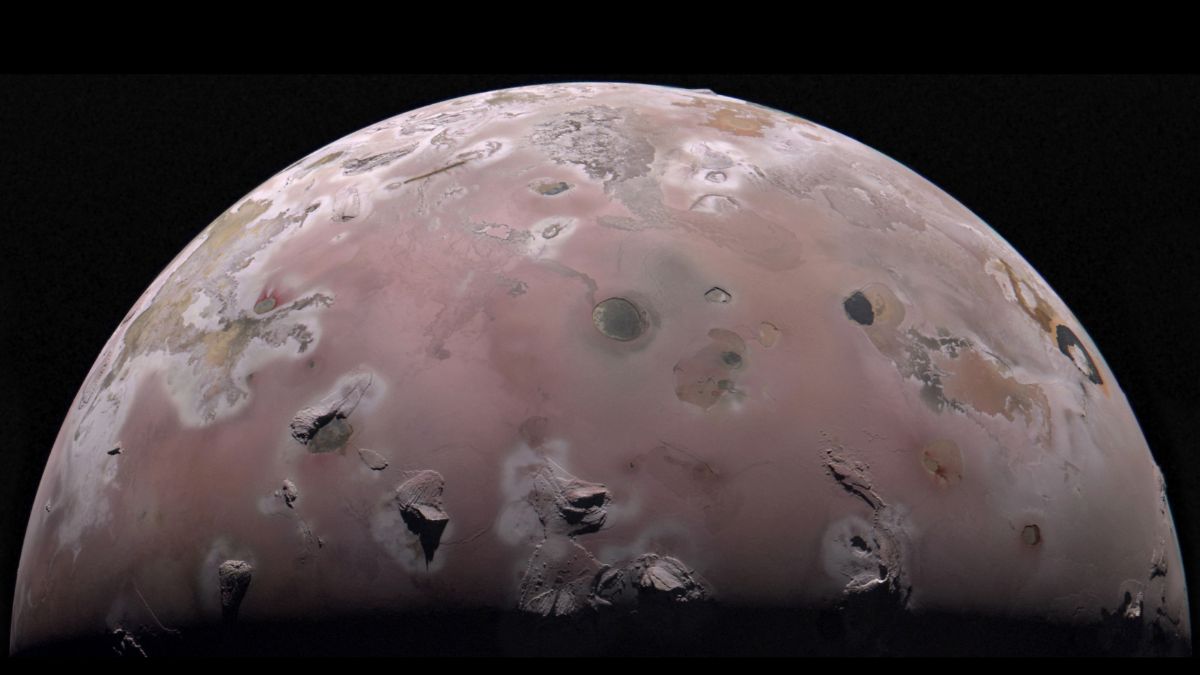
Perry? Perry the Platypus? Not quite—but close enough to catch everyone’s attention. NASA has spotted something strange more than 500 million kilometres from Earth, and no, it’s not a cartoon character. It’s a bizarre surface formation on Jupiter’s moon Europa that’s got scientists buzzing.
Using data from the Juno spacecraft, which has been orbiting and studying Jupiter and its moons, NASA made a discovery that could bring us closer than ever to answering one of humanity’s biggest questions: are we alone in the universe?
Table of Contents
Europa
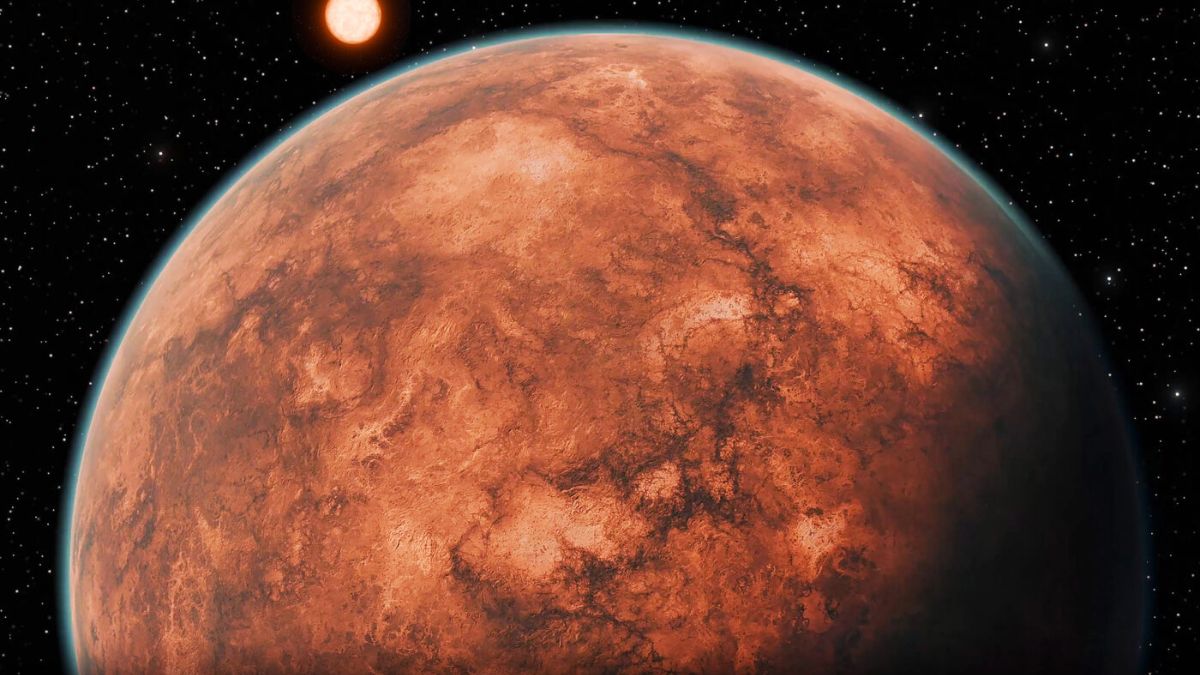
When you hear “Europa,” you might think of Europe, but in space talk, it’s something far more intriguing. Europa is one of Jupiter’s largest moons, and it’s become one of the most studied objects in our solar system. Why? Because beneath its thick crust of ice—about 18 kilometres thick—scientists believe there’s a massive global ocean.
Imagine a frozen shell covering an ocean deeper than anything on Earth. This moon, just slightly smaller than our own, could be a hidden paradise for life. No mountains, forests, or deserts—just ice on the surface and possibly liquid water below. If there’s water, there could be life. And that makes Europa one of the most promising places in our search for alien life.
Discovery
The excitement began when NASA’s Juno spacecraft captured detailed images during a close flyby on September 29, 2022. The spacecraft’s Stellar Reference Unit (SRU) snapped black-and-white photos of Europa’s icy surface. What they found wasn’t just another bumpy frozen plain—it was a chaotic, broken region filled with ridges and dark material.

In the lower right corner of one of the images, scientists saw something oddly shaped. It reminded them of a platypus, so they named it just that: “The Platypus.”
Platypus
No, it’s not actually an animal. The Platypus is a unique formation stretching about 37 x 67 kilometres. This icy landscape looks like a jigsaw puzzle of fractured and refrozen surface, possibly where water from beneath the ice made its way up and then froze again. That alone is exciting, but there’s more.
Just above The Platypus, researchers noticed a double ridge with mysterious dark spots. These are significant because they might contain saltwater deposits from the underground ocean. Think about that—Europa could be pushing water up from deep inside, and we’re seeing it frozen on the surface. That’s huge, because it means we wouldn’t need to drill miles into the ice to find what lies beneath. It could already be coming to us.
| Feature | Description |
|---|---|
| Object Name | The Platypus |
| Location | Europa’s icy surface |
| Size | Approx. 37 x 67 kilometres |
| Discovered By | NASA’s Juno spacecraft |
| Significance | Possible surface activity from underground ocean |
| Formation Type | Chaos terrain with fractured ice and dark materials |
Life?

Here’s where it gets really interesting. If water is escaping to the surface, it could be carrying with it signs of life or at least organic compounds. Europa is already high on NASA’s list for possible extraterrestrial life, but now, with features like The Platypus and nearby ridges possibly linked to internal activity, the case is stronger than ever.
Could Europa’s hidden ocean be home to simple organisms, like those near hydrothermal vents on Earth’s ocean floors? Or something more complex? Nobody knows yet—but missions are being sent to find out.
Missions
Juno isn’t alone in this mission. Two major space missions are preparing to take Europa exploration to the next level:
1. NASA’s Europa Clipper
Launch: 2024
Arrival: 2030
Mission: Flybys of Europa to analyze the surface, ice shell, and subsurface ocean using high-tech instruments.
2. ESA’s JUICE (Jupiter Icy Moons Explorer)
Launch: 2023
Arrival: 2031
Mission: Study Jupiter’s icy moons, including Europa, focusing on the potential for habitability.
Both missions aim to dig deeper—figuratively and maybe even literally—into Europa’s secrets. If water is actively rising through the surface, we may not be far from sampling it and learning whether life exists beyond Earth.
Future
The idea of alien life might sound like science fiction, but thanks to discoveries like this, it’s becoming a real scientific possibility. The Platypus is more than a quirky name—it’s a symbol of how little we know and how much we’re about to learn.
With Europa Clipper and JUICE heading toward this icy moon, the next decade could finally answer one of the biggest questions in human history. Will the life we find look like microbes? Or could they be something completely unexpected? Time—and science—will tell.
FAQs
What is The Platypus on Europa?
A strange ice formation found on Europa’s surface.
Why is Europa important?
It may hide a liquid ocean beneath its icy surface.
Can water escape from Europa’s ocean?
Yes, signs suggest water may rise and freeze on the surface.
What missions are going to Europa?
NASA’s Europa Clipper and ESA’s JUICE missions.
Could life exist on Europa?
Possibly, if conditions in the subsurface ocean allow it.