A powerful geological threat is looming over the U.S. Pacific Northwest. Scientists are now warning that a megathrust earthquake could strike the region at any time. That includes the coastal areas of Washington, Oregon, and Northern California. The cause? A dangerous mix of tectonic pressure and climate change-driven sea level rise. And this isn’t science fiction — it’s a very real, very imminent possibility.
Table of Contents
Warning
According to Tina Dura, a geologist and professor at Virginia Tech, this region is in a “geological window of possibility.” That means the chance of a major earthquake occurring is significantly higher than usual. It’s been more than 300 years since the last big one, and pressure has been building ever since.

Her message is simple and direct — a major earthquake isn’t just possible. It’s expected.
Faultline
The culprit is the Cascadia Subduction Zone. This is a massive fault line stretching from Northern California all the way up to British Columbia. Two tectonic plates — the Juan de Fuca and the North American plates — are meeting here.
Now, imagine one plate slowly sliding underneath another, like stacking books unevenly. Over time, the pressure grows. And eventually, that pressure will snap. When it does, the result is a violent release of energy — a megathrust earthquake.
History

The last time this happened was in January 1700. There were no written records, but oral traditions from Indigenous communities spoke of a devastating flood. Scientists now believe that quake measured between 8.7 and 9.2 in magnitude. It was strong enough to send a tsunami across the Pacific Ocean to Japan.
That was over 300 years ago — and according to geologists, we’re overdue.
Impact
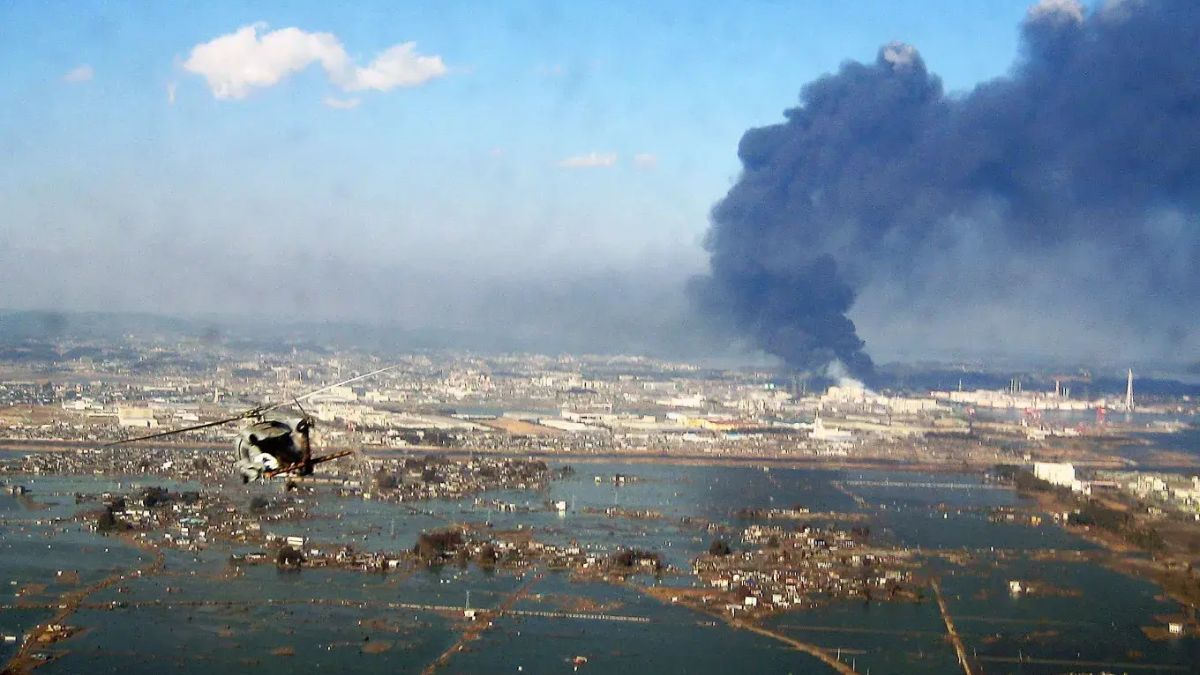
What happens when this earthquake finally hits? First, intense shaking — enough to destroy buildings, roads, and bridges. But that’s just the start. If the quake happens offshore, it will likely trigger a tsunami. These waves could crash into the coast minutes later, wiping out entire towns and leaving little time to react.
Check out the table below to compare past and potential future quakes:
| Event | Year | Magnitude | Deaths | Tsunami |
|---|---|---|---|---|
| Cascadia Earthquake | 1700 | 8.7–9.2 | Unknown | Yes |
| Sumatra | 2004 | 9.1 | 230,000+ | Yes |
| Japan (Tohoku) | 2011 | 9.0 | 15,000+ | Yes |
| Potential Cascadia | TBD | 8.0–9.2 | TBD | Very Likely |
Climate
Here’s where climate change makes things worse. Rising sea levels, caused by melting glaciers and warmer oceans, mean coastal areas are already more exposed. If a tsunami follows the earthquake, it will go further inland than it would have decades ago.
So not only is the earthquake more dangerous, but the flooding will be, too. That makes evacuation and recovery far more difficult.
Timing
Is there a date for the next quake? No. Earthquakes can’t be predicted like storms. That’s why experts use words like “imminent.” It could happen tomorrow. Or next year. Or even decades from now. But the odds are increasing, and the warning signs are clear.
Preparedness
Can it be prevented? Unfortunately, no. Earthquakes are natural events, and there’s no technology that can stop them. But we can prepare.
Cities should enforce stronger building codes. Coastal towns need evacuation routes and tsunami warning systems. And individuals can take action too — like keeping emergency kits, making family plans, and knowing where to go when disaster hits.
Richter
For context, earthquakes are measured using the Richter Scale — a system that calculates the energy released. A jump from one number to the next isn’t small. Each increase is 10 times more powerful and releases 32 times more energy.
Here’s a quick look:
| Magnitude | Description | Potential Damage |
|---|---|---|
| 4.0–4.9 | Light | Often felt, little harm |
| 5.0–5.9 | Moderate | Some structural damage |
| 6.0–6.9 | Strong | Widespread damage |
| 7.0–7.9 | Major | Serious, regional impact |
| 8.0+ | Great / Megathrust | Catastrophic destruction |
Experts believe the next Cascadia quake will hit 8.0 or higher — a serious threat that we need to take seriously.
So no, we haven’t seen it all when it comes to Earth’s power. A sleeping giant lies off the coast, and it’s just a matter of time before it wakes up. The best defense? Awareness, preparation, and staying informed.
FAQs
What is the Cascadia Subduction Zone?
It’s a fault line off the U.S. Northwest coast where two plates meet.
When did the last Cascadia quake occur?
In 1700, estimated magnitude between 8.7 and 9.2.
What causes a megathrust earthquake?
Built-up tension between tectonic plates released suddenly.
Can we predict earthquakes?
No, earthquakes can’t be precisely predicted.
Is climate change increasing risk?
Yes, rising sea levels worsen tsunami and flood risks.