If you’re a stargazer or just someone who loves a good natural light show, you might be in for a treat this Friday night. The northern lights, also known as the aurora borealis, may be visible in several U.S. states—yes, even beyond Alaska. Thanks to a forecasted bump in geomagnetic activity, skies could light up in places you’d never expect. Let’s break it down.
Table of Contents
Aurora
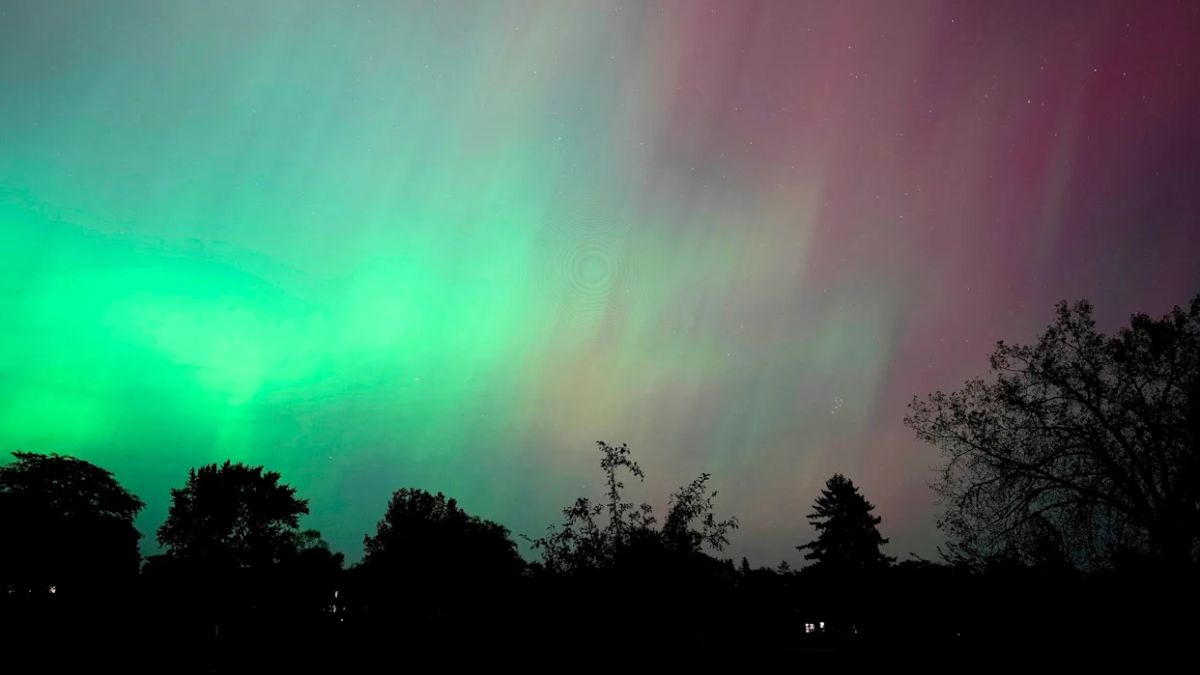
So, what causes the northern lights? It all starts with the sun. When solar flares release charged particles, they collide with Earth’s atmosphere near the magnetic poles. This interaction creates shimmering waves of green, purple, and red in the night sky. It’s basically nature’s own fireworks show.
Forecast

The National Oceanic and Atmospheric Administration (NOAA) is predicting a Kp index of four for Friday night. For context, the Kp index measures geomagnetic activity on a scale of 0 to 9. A four means we’re in moderate territory, which is just enough for the lights to dip farther south than usual.
This follows minor geomagnetic storms that began Thursday and lingered into Friday, making the atmosphere even more favorable for aurora viewing.
States
Wondering if you’re in a lucky spot? Here’s a look at the states where you might catch a glimpse:
| State | Aurora Visibility Level |
|---|---|
| Alaska | Very High |
| Washington | Moderate |
| Idaho | Moderate |
| Montana | Moderate |
| North Dakota | Moderate |
| South Dakota | Low to Moderate |
| Minnesota | Moderate to High |
| Wisconsin | Low to Moderate |
| Michigan | Low to Moderate |
| Maine | Low to Moderate |

Alaska, unsurprisingly, offers the best shot. But even places like Minnesota and Montana are in the game this time. And if you’re lucky enough to live in northern parts of these states, your chances increase significantly.
Timing
Timing is everything when it comes to aurora chasing. NOAA suggests the best viewing window is between 10 p.m. and 2 a.m. local time. You’ll also want to keep your eyes on the skies over the weekend—there’s a chance Saturday night could bring another round.
Tips
Want the best chance to see the show? Here’s what you can do:
- Get away from city lights
- Find a high elevation or an open field
- Face north (that’s where the magic happens)
- Be patient—auroras come and go
- Use an aurora app or NOAA’s aurora forecast to track live activity

Also, while cameras—especially those with long exposures—can catch more color and intensity than the human eye, the real-life experience is still pretty incredible.
Seasons
While you might think winter is the only time to see the northern lights, that’s not entirely true. Winter does offer longer nights and clearer skies, which are ideal conditions. But geomagnetic activity can spike year-round. So whenever space weather decides to cooperate, it’s go-time.
That said, winter does tend to give the most consistent opportunities. Just bundle up and head north.
If you’re in any of the ten states mentioned, this could be your chance to catch one of nature’s most awe-inspiring sights—no passport needed. Keep your fingers crossed for clear skies, check the NOAA forecast, and set an alarm for late evening. With any luck, the sky will dance above you in waves of color.
FAQs
What is the Kp index?
It measures geomagnetic activity from 0 to 9.
When is the best time to view auroras?
Between 10 p.m. and 2 a.m. local time.
Which state has the best aurora view?
Alaska has the highest chance to see the lights.
Can I see auroras in Minnesota?
Yes, especially in northern Minnesota.
Do I need special equipment?
No, but a dark, high location helps visibility.