Could a common amino acid in your food be the secret to healing your gut? A new study from MIT says yes—and the findings could have major implications for cancer patients and others with intestinal damage. Researchers have discovered that a diet high in the amino acid cysteine can stimulate the regeneration of the small intestine by activating the body’s own immune system.
Let’s break down how this works and why it might be a game-changer.
Table of Contents
Discovery

The MIT team found that cysteine can trigger an immune response that boosts stem cell activity in the small intestine. These stem cells are responsible for renewing the lining of the gut, a process that’s especially important when the tissue is damaged by things like radiation or chemotherapy.
While this study was conducted in mice, researchers are optimistic about its potential applications in humans. If proven effective, something as simple as a cysteine supplement or diet adjustment could one day help patients recover faster after cancer treatments.
Process
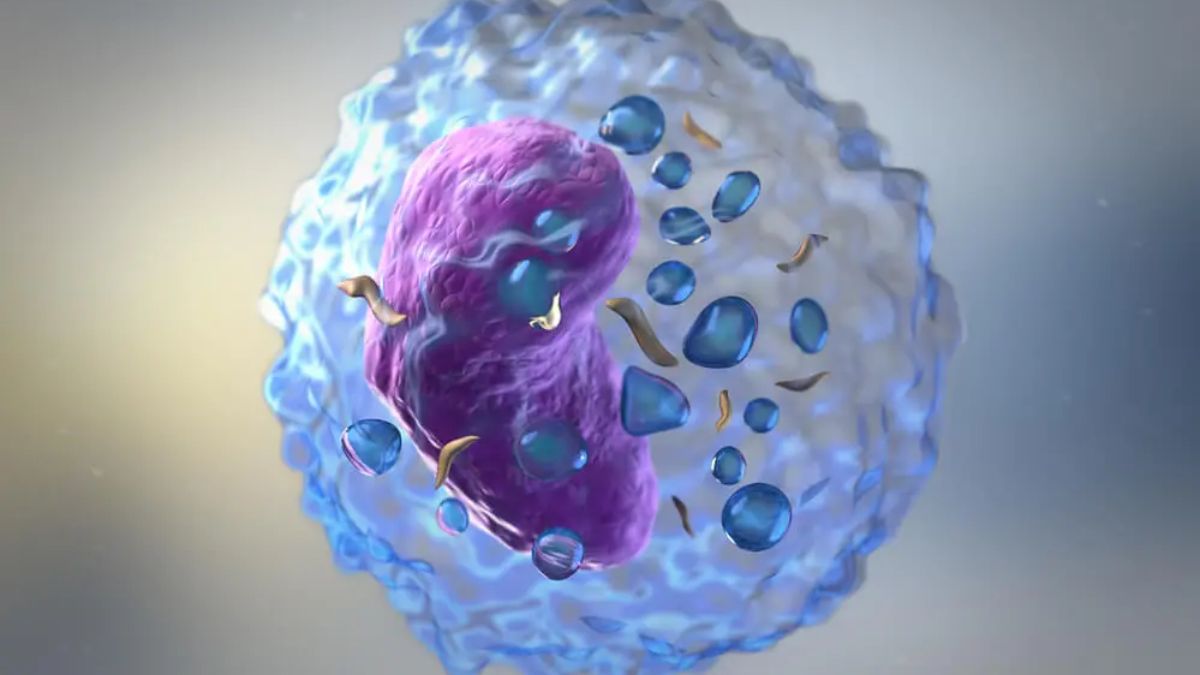
Here’s where it gets really interesting. After consuming cysteine, the cells in the small intestine absorb it and convert it into a molecule called CoA. This molecule is then released into the intestinal lining, where it’s picked up by a special type of immune cell—CD8 T cells.

Normally, CD8 T cells aren’t known for helping repair gut tissue. But in this case, the CoA signals them to multiply and release a cytokine called IL-22. This molecule plays a key role in stimulating intestinal stem cells to divide and repair the gut lining.
So, the process goes like this:
Cysteine → CoA → CD8 T cells → IL-22 → Stem cell regeneration.
That’s a pretty impressive chain reaction, and all triggered by a single nutrient.
Focus

Interestingly, this effect seems to be limited to the small intestine. Why? Because that’s where most dietary protein—and therefore cysteine—is absorbed. While the body can make its own cysteine by converting methionine in the liver, that version is distributed throughout the body, not concentrated in the gut.
So eating cysteine-rich foods has a unique effect that synthetic production can’t easily mimic.
Healing
Radiation therapy, used to treat many types of cancer, often damages the lining of the intestines. The MIT team tested whether a high-cysteine diet could help repair this damage—and the results were promising.
They also found similar benefits when testing with a common chemotherapy drug, 5-fluorouracil, which is known to harm gut tissue.
If future studies show the same outcomes in humans, this could lead to a simple dietary strategy for protecting the gut during harsh cancer treatments.
Sources
So where can you get cysteine? It’s found in a lot of everyday high-protein foods:
| Food Type | Rich in Cysteine |
|---|---|
| Meat | Chicken, turkey, pork, beef |
| Dairy | Cheese, milk, yogurt |
| Legumes | Lentils, chickpeas, soybeans |
| Nuts & Seeds | Sunflower seeds, walnuts, cashews |
Cysteine is also available in supplement form, often as NAC (N-acetylcysteine), a popular antioxidant. However, the researchers focused on natural dietary sources in this study.
Expansion
What’s next? The team wants to explore whether cysteine helps other types of stem cells—like those involved in skin or hair regeneration. They’re already testing whether the amino acid can help stimulate hair follicles in animal models.
And they aren’t stopping with cysteine. The study also screened the other 19 amino acids, and some showed potential for influencing stem cell behavior. These may open the door to more targeted nutritional therapies down the line.
Insight
This research goes beyond gut health. It highlights how specific nutrients—not just overall diets—can affect how our cells behave. While we’ve long known that food impacts health, this is one of the clearest examples of a single nutrient directly influencing tissue regeneration through the immune system.
It’s a small piece of a much bigger puzzle, but it could lead to a new way of thinking about how we treat injuries and illness—starting with what’s on our plate.
FAQs
What is cysteine?
An amino acid found in high-protein foods like meat and dairy.
How does cysteine help the gut?
It activates immune cells that boost stem cell regeneration.
Can cysteine repair radiation damage?
Yes, in mice it helped heal radiation-damaged gut lining.
Is this proven in humans?
Not yet—more studies are needed to confirm human effects.
Where is cysteine absorbed?
Mainly in the small intestine, where it triggers the response.