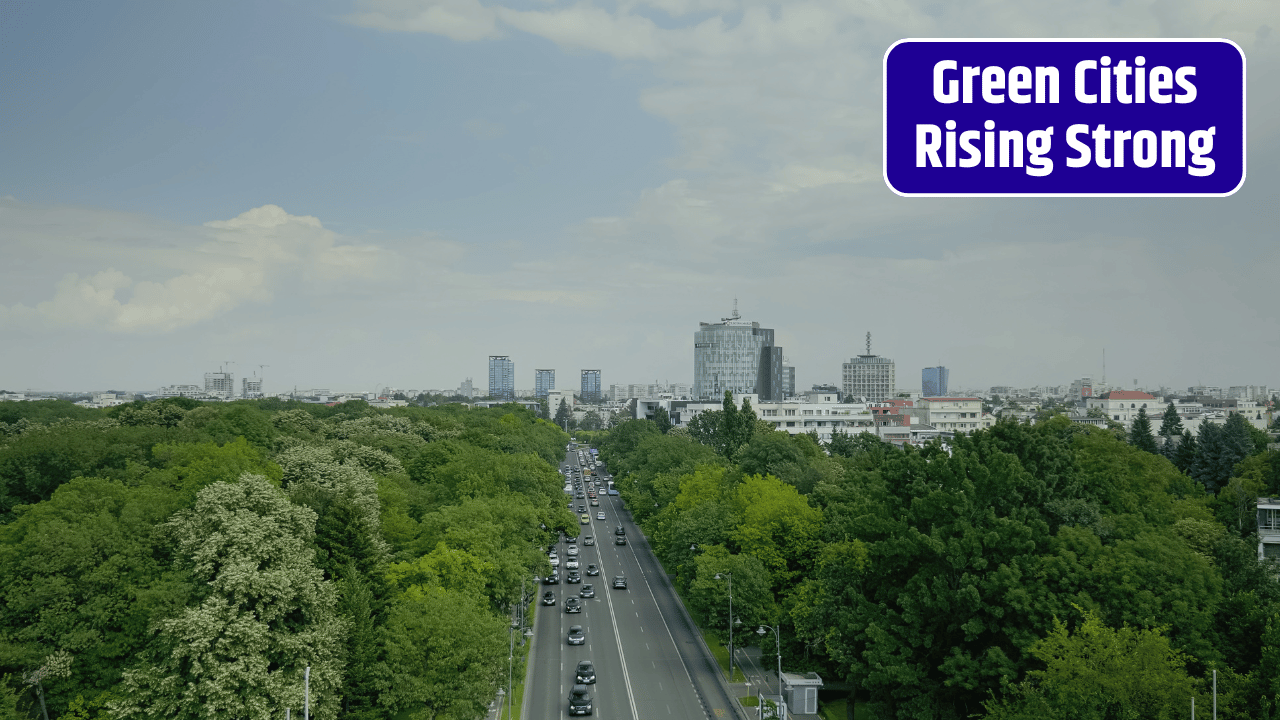
It’s not just about planting more trees. Across the country, local governments are quietly—but decisively—pouring money into nature-based infrastructure as a way to cool overheated cities, absorb floodwaters, and cut long-term costs. From bioswales carved into busy streets to wetlands stitched back into urban edges, the so-called “green revolution” in infrastructure is moving from pilot projects to mainstream policy.
What’s striking is the shift in tone. City leaders aren’t treating these projects as fringe experiments anymore—they’re touting them as hard infrastructure on par with bridges and highways. In fact, many argue they’re more cost-effective, because plants don’t crack like concrete and wetlands don’t need resurfacing every 15 years.
Table of Contents
What Nature-Based Infrastructure Looks Like

The strategies vary widely depending on geography, but they share a theme: work with nature, not against it.
| Project Type | Example Use Case | Key Benefit |
|---|---|---|
| Urban Tree Canopies | Shade streets, cool heat islands | Lowers energy use, reduces heat |
| Bioswales & Rain Gardens | Capture stormwater on city blocks | Cuts flooding, improves water |
| Green Roofs & Walls | Vegetation on buildings | Improves insulation, air quality |
| Wetland Restorations | Rebuild natural buffers | Absorbs flood surges, habitat |
| Permeable Pavement | Streets and sidewalks that absorb | Reduces runoff, lowers heat |
Chicago is betting on rain gardens. Miami is restoring mangroves. Toronto’s green roofs policy is reshaping its skyline. And smaller towns are jumping in too—suburban cul-de-sacs installing bioswales, school districts retrofitting campuses with native landscaping.
Why It Matters Now
Heatwaves and flash floods are costing cities billions. The National Oceanic and Atmospheric Administration (NOAA) tracked 23 billion-dollar weather disasters in 2023 alone. Local leaders argue it’s cheaper to build spongy, shade-filled cities now than to keep rebuilding after disasters.

There’s also money on the table. Federal programs under the Environmental Protection Agency and funding from the Bipartisan Infrastructure Law are encouraging cities to adopt climate-resilient designs. Grants are specifically earmarked for “green stormwater infrastructure,” and that’s nudging even smaller municipalities to act.
Residents’ Mixed Feelings
For many, the projects are welcome. Parents cheer shaded playgrounds. Cyclists praise cooler bike lanes. Businesses like the foot traffic that comes with greener streets. But there are skeptics. Some complain bioswales look like “ditches” when neglected, or that green roofs are too costly for small property owners. Maintenance is the sticking point—plants need pruning, weeds need pulling, and that’s not as glamorous as cutting a ribbon on a new overpass.
Economics of Going Green
Supporters argue the payback is clear: fewer flooded basements, lower cooling bills, and avoided storm damage. The U.S. Department of Housing and Urban Development has even highlighted how nature-based infrastructure can stabilize property values in flood-prone areas. The challenge is proving the math to taxpayers who want immediate results, not 20-year projections.

Social media chatter has claimed that cities are “replacing all concrete roads with grass.” That’s not true. Traditional infrastructure isn’t going away—nature-based projects are designed to complement it, reducing strain on storm drains and cooling heat-absorbing surfaces.
FAQs
What is nature-based infrastructure?
It’s infrastructure that uses ecosystems—like wetlands, trees, or green roofs—to provide services such as flood control, cooling, and cleaner air.
How is it different from traditional infrastructure?
Instead of pipes, pumps, and concrete alone, it integrates natural systems that often perform better and adapt over time.
Is it more expensive?
Upfront costs can be comparable or higher, but maintenance and long-term savings often outweigh traditional infrastructure expenses.
Can small towns afford this?
Yes. Many projects scale down easily, and federal/state grants are available to cover startup costs.